Dad’s Guide to First Aid for Kids’ Cuts: Why Thin Hydrocolloid Rolls Belong in Every Summer Kit
apply hydrocolloid on dry skin kids best bandage for kids high movement areas better than band aids for active kids clean and dress kids cuts properly cut to size hydrocolloid for children dad tips for summer playground injuries fastest healing for kids minor cuts first aid kit essentials for summer with kids former paramedic first aid tips kids former paramedic hydrocolloid test kids how to treat kids cuts without band aids hydrocolloid bandage for active boys summer hydrocolloid bandages for kids cuts hydrocolloid dressing for knuckles and toes hydrocolloid vs traditional bandages kids leave hydrocolloid on for days kids medical grade thin hydrocolloid for family moist wound healing for kids abrasions pool day waterproof bandage kids prevent scarring kids cuts hydrocolloid road trip kids cuts treatment second skin bandage for boys scrapes summer cuts and scrapes first aid dad guide summer first aid for boys cuts thin hydrocolloid roll for scrapes thin second skin bandage for kids fingers toes trampoline injury first aid for dads waterproof bandage for kids pool waterproof hydrocolloid for pool and trampoline when to change hydrocolloid bandage kids Jul 30, 2026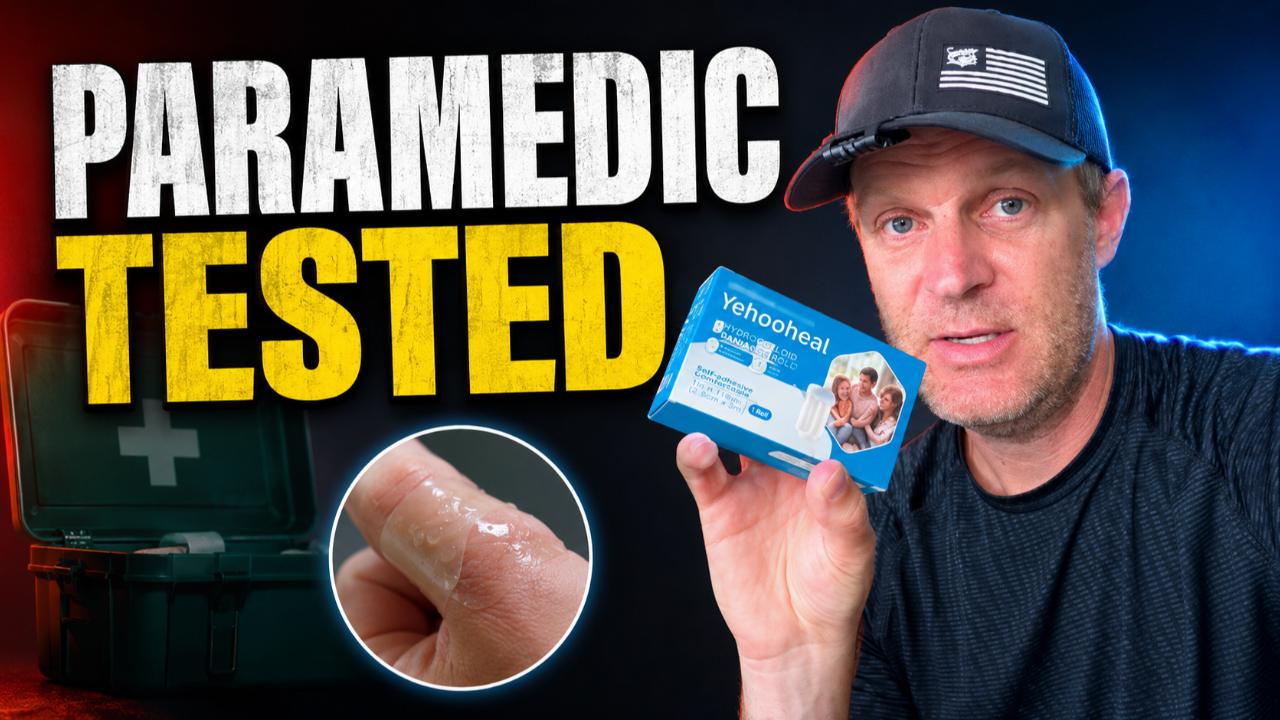
What’s going on, Dad?
Summer is here. That means trampolines, road trips, pools, trails, and a steady stream of cuts, scrapes, and “I took a chunk out of my finger” moments. Traditional Band-Aids often become more of a hassle than a help — they get dirty, peel at the edges, fall off in water, and leave you re-wrapping the same injury every day.
As a former paramedic, I’ve always kept a solid first-aid kit (the beat-up green box shows up in a lot of my videos). This summer I tested a different approach on both of my boys after a big Yosemite road trip: a medical-grade hydrocolloid roll that is only 0.006 inches thick. The brand is Yehooheal. They sent it. I gave it a real-world test — cleaning, applying, full pool days over the 4th of July, and a one-week healing check. Here’s what I learned and exactly how you can use the same process.
Step-by-Step First Aid for Minor Cuts and Scrapes
- Stop the bleeding Direct pressure with a clean gauze or cloth for several minutes. Don’t keep peeking.
- Clean thoroughly In the video I used sterile 4x4s and hydrogen peroxide the way many of us were taught. Modern pediatric guidance prefers clean running water or sterile saline to irrigate dirt and debris because peroxide can be harsh on the healthy cells that are trying to heal. Either way, get the wound clean. Remove visible dirt. Mild soap around the edges is fine. Rinse well.
- Dry completely This is non-negotiable for hydrocolloid. Any moisture left on the skin and the adhesive will fail. Pat dry and wait.
- Apply the dressing Cut the thin hydrocolloid film to size (or slightly larger so you can seal all the way around). Peel the backing, place it, then warm it with your hands for 20–30 seconds so the adhesive activates and conforms like a second skin. Seal the edges well — especially important for pool or sweaty hands/feet.
- Leave it alone Hydrocolloid works by creating a moist healing environment. It absorbs fluid and turns into a soft white gel (you’ll see a bubble form — that’s normal and a sign it’s working). Leave it on for several days until it starts to lift or is fully saturated. Don’t peel it early just to “check.”

(Application sequence: clean → cut → apply → press edges)
When to see a doctor: deep or gaping wounds, uncontrolled bleeding, signs of infection (increasing redness, swelling, pus, fever), animal bites, or anything on the face/hands that concerns you.
Why Traditional Band-Aids Often Fail Active Kids
They are designed for clean, low-movement, dry environments. Boys (and active girls) live in the opposite: dirt, sweat, pool water, trampolines, climbing, and constant flexion on knuckles and toes. The result is constant re-wrapping, dirt under the pad, and slower healing from the dry-scab approach.
How Hydrocolloid Actually Helps
Hydrocolloid dressings maintain a moist wound environment. Research on moist healing consistently shows faster re-epithelialization, less pain, reduced scarring, and better protection from outside contaminants compared with letting a wound dry out and form a hard scab. Thin medical-grade versions act almost like a second skin — flexible enough for high-use areas and waterproof enough for swimming and showers when the edges are well sealed.
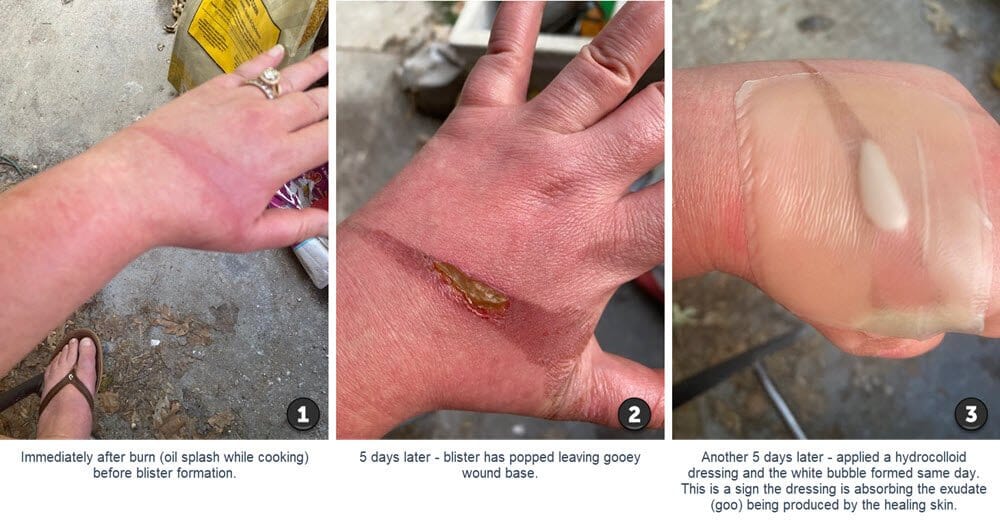
(Example of the white gel “bubble” forming as the dressing absorbs fluid — a normal sign the moist healing process is underway)
Why the Yehooheal Roll Specifically Earned a Spot in the Kit
- 0.006-inch thickness — genuinely second-skin feel. Easy to wrap around a knuckle or toe without bulk.
- Cut-to-size roll (two 2-inch × 8.2-foot rolls = 16.4 feet total) — far more versatile than pre-cut squares for irregular kid injuries.
- Storage case — keeps the roll clean and dust-free in a real first-aid kit.
- Waterproof + long wear — held up through multiple full pool days with only occasional edge re-sealing or replacement.
- Value and practicality — one roll covers a lot of summer injuries.
In our test, Bramley’s finger (the bigger injury) looked dramatically better after several days under the hydrocolloid versus what we typically see with traditional bandages. Kellen’s toe stayed protected through trampoline and water time. The thinness made the difference on high-movement spots.


(Similar medical-grade hydrocolloid rolls — the Yehooheal version includes the convenient storage case)
Practical Tips Specific to Common Kid Injuries
- Fingers and knuckles: Cut longer pieces so you can wrap and overlap slightly. Warm thoroughly. Seal all edges.
- Toes: Dry the foot completely. Consider a light wrap of medical tape over the hydrocolloid if the kid is especially rough.
- Pool / water days: Check edges after swimming. Re-seal or replace only the ones that lift.
- Dirty environments (trail, trampoline, yard): Clean extra carefully before the first application. Hydrocolloid seals out dirt once it’s on.
- Change schedule: Leave it until the white gel is pronounced or the edge lifts. Don’t change daily just because you’re used to Band-Aids.
Adding This to Your Repertoire
Keep your regular supplies (gauze, tape, antibiotic ointment if you use it, tourniquet knowledge, etc.). Add a hydrocolloid roll as the go-to for the everyday cuts and scrapes that used to eat up Band-Aids and patience. The combination of thinness, cut-to-size flexibility, waterproof performance, and moist healing makes it especially useful for the active summer months.
Watch the full hands-on test and week-later results here: [link to the YouTube video].
🚑Get your rolls here (affiliate link helps the channel and you get the same great deal) https://amzn.to/4w0ihzh
This is practical dad-level first aid for minor injuries, not a substitute for professional medical care. Use your judgment, keep the wound clean, and get help when something doesn’t look right.
High five. Get the kids fixed up so you can actually enjoy the rest of the summer.
Categories
All Categories #embracingthoughts #meditationmyths $0 tax stamp 2026 1 chronicles 18seasonsdads 2 year old skiing 20 minute workout 20-minute workout for dads 20-minute workouts 2024 fitness trends for dads 2025 dads 2025dads 2a 30 day social media content calendar 300 blackout 401(k) crypto 50% off fitness program 6 month backpack review 7-minute metabolic workout 7-minute workout 9/11 firefighter aaron fyro backpack accountability in leadership achieving financial success as a dad acting officer actionable advice active gifts for kids adult son dealing with parent ftd advice for men affordable gifts for wife affordable luxury shoes ai beginner to pro guide ai content creation for small business ai content rocket ai daily workflow ai for beginners 2026 ai for solopreneurs social media ai integration daily life ai mistakes 2026 ai power user tips ai productivity hacks ai prompt engineering tutorial ai prompt pack for social media ai results improvement ai side hustle ideas ai social media content calendar ai trading ai tutor chatgpt grok homework help aienergyrace airbnb investing airport dad hacks airport friendly backpack alberta independence referendum altcoin news alternative assets altseason ambitious dads american express platinum card american patriotism amy cuddy andrew tate anne hathaway penelope anniversary gifts for wife anthony kastros anti aging men anti-clutter backpack anxiety anxiety relief apply hydrocolloid on dry skin kids arc america russia china asking for help as a dad association for frontotemporal degeneration helpline at&t cyber attack 2024 at-home fitness for men atf approval atf eforms 2026 atf tax stamp atheist to believer atheist turned christian attraction triangle framework christian husbands augusta national souvenirs authentic manhood authentic parenting auto diy guide automatic market maker avodah avoiding daddy issues avoiding ski mistakes ayles solutions baby care tips baby facts for dads baby pacifier advice baby poop meconium baby spit-up baby tips for fathers back to school hacks back to school organization back to school preparation back to school routine back to school transition backpack for macbook and ipad bail bond coverage bandage battling inner coward be a better dad be better dad be unstoppable leadership becket and simonon review becket and simonon sneakers becoming a better dad becoming a dad bedtime with toddlers before you see the odyssey beginner skiing tips behavioral variant ftd vs mental illness being a present father believe big believing in god benefits of projects with children benefits of time off benefits of two-parent households best ai prompts 2026 best backpack for dads best bandage for kids high movement areas best books for new dads best dad gifts 2024 best dad tips best gear for skiing with kids best gifts for dads best gifts for family activities best gifts for kids 2024 best gifts for wife 2024 best holiday fitness tips for men best holiday gifts for her best investments for fathers best kids’ bikes 2024 best kids’ walkie-talkies best self defense insurance 2025 best shoes for dads best travel backpack 2025 better dad podcast better husband tips better than band aids for active kids beyond grades school stress parenting bible study bible study for dads bible teachings biblical legacy biblical manhood biblical parenting biblical values biblical wisdom big beautiful bill crypto big moves only 2026 big work project bill high binance biohacking biological age biological age test birthday gifts for wife bitcoin bitcoin all-time high bitcoin standard currency history investing bitcoindominance black friday coupon black friday discount for dads black friday fitness deal black friday fitness sale black friday promotion bleeding control blessings blessn app review blessn kevin clark blockchain blockchain dads blockchainfinance blockchainforbeginners bloodloss body image body keeps the score bodyweight exercises bodyweight exercises for men bold leadership men of god bold prayer family provision presence bold prayer jabez territory expansion family finances bonding with kids through projects bonding with newborn booksfordads boost dad confidence through fitness boost metabolism workout boost productivity and success bored bored at school bored at work bored at work what to do boy dad boy mom bp brad garlinghouse brainhealth brainresponse brandon robbins breaking w2 grind bri teresi brotherhood brotherhood for dads bruce wilkinson bucket list masters budget-friendly cooking budgeting for dads building a tribe of men building capable kids engineering projects building capable kids free range parenting building community building confidence in kids building confident kids building family resilience through travel disruptions building family traditions building legacy christian fathers 2026 building tribe of men building wealth with crypto building your tribe men bunker gear burpees for cardio fitness burping a baby business as mission business travel bag business travel shoes busy dad fitness busy dad workout plan busy dads fitness program c.b. robertson calm leadership in chaos calm parenting calming a baby cancer blood test cancer survival captain car care how-to car maintenance tips cardanoprediction cardiac arrest leadership cardiac arrest preparedness cardiac arrest training cardio and strength exercises for dads cardio for dads career advancement tips career family balance career growth for dads casey means surgeon general cb robertson caffeine and philosophy cb robertson ryan fields spack interview ccw insurance ccw safe celebrating july 4th as a family cell phone outage today character building for kids character-building for kids charles hoskinson cardano charlie kirk charlie kirk assassination charlie kirk legacy charlie kirk legacy men's revival chatgpt for instagram captions child behavior and fatherlessness child behavior management childhood curiosity motivation dads childhood independence parenting moms childhood trauma chocolatarium edinburgh choke points global shipping choose your hard mindset marriage fatherhood christian career advice christian conversion christian crypto christian dad christian dad crypto christian dad faith leadership christian dad family independence balance christian dad fatherhood growth 2026 christian dad fatherhood presence trading christian dad leadership christian dad marriage advice emotional intimacy christian dad sacrificial love christian dad travel christian dad travel stories christian dad tribe christian dads christian dads health christian encouragement christian entrepreneur christian father christian fatherhood christian living christian marriage christian marriage 29 years christian men christian men identity child of god christian mindset christian motivation christian parenting christian parenting work life balance christian principles christian stewardship christian testimony christian transformation christianity christianity explained christianity for beginners christianity story christmas faith christmas gifts for boys christmas gifts for girls christmas gifts for wife christopher nolan the odyssey church experience clarity act crypto classical philosophy for men clean and dress kids cuts properly clean energy co-parenting advice coaching kids cold weather skiing advice collective action play clubs friendship pacts college campuses revival colorado gun laws comfortable business shoes comfortable shoes for dads coming to faith commercial real estate common skiing mistakes communication communication skills communication with daughters community community building concealed carry insurance concealed carry legal coverage concierge services for parents confidence confidence through play confident dad confident kids confident parenting conflict resolution conservative values consistent parenting consistent workouts constellation constellation dag constellationdag constellationnetwork constitutional crisis 2026 constructive masculine energy content creation tips content rocket social media cooking tips for parents cooking with children cooking with kids cool dad activities courage courage as a dad crazy kids creating family culture christian fathers creator motivation cross check llms cross-border payments crunchlabs subscription review crying baby solutions crypto crypto 2025 crypto and fatherhood crypto boom dads crypto etfs crypto for dads crypto for families crypto for fathers crypto investing crypto investing family freedom dads crypto news crypto news today crypto passive income crypto today crypto update crypto week 2025 cryptocurrency cryptocurrency for beginners cryptocurrency trends cryptoeducation cryptofordads cryptoinvesting cryptoportfolio cryptostrategy cultivating awareness currency devaluation custom sneakers custom-made shoes cut sugar cut to size hydrocolloid for children dad dad adventure tips dad advice dad and kids cooking dad and son workshop projects dad birthday gifts dad bod dad bod to fit dad dad body transformation dad bucket list traditions dad challenges dad christmas gifts dad community dad confidence dad content creator dad crypto tips dad daughter relationship advice dad europe packing list dad family travel vlog uk dad fashion dad fashion blog dad fashion tips dad finance dad financial advice dad fitness dad fitness journey dad fitness routine dad fitness tips dad fitness tips for 2024 dad gaps 2025 dad gift guide dad gift ideas dad guide practical education tools dad health dad health and fitness dad health tips dad influence dad inspiration dad leadership dad leadership faith family patriotism dad leadership philosophy dad leadership skills dad ledger dad ledger episode dad ledger josh larsen episode dad ledger lenore skenazy episode dad ledger live dad ledger podcast dad ledger ryan trent dad ledger tim warren crypto faith dad legacy building dad level up dad life dad life tips dad life wins dad lifestyle gear dad loneliness dad mindset dad motivation dad nation podcast mitchell osmond interview dad parenting tips dad podcast dad protecting his daughter from bad guy dad provision dad provision in volatility dad relationships dad self-improvement dad ski dad skiing dad skiing essentials dad style dad survival guide dad tips dad tips for summer playground injuries dad travel experiences dad travel vlog dad tribe dad wardrobe essentials dad wisdom dad workout plan dad workout routine dad-approved gifts dad-approved gifts for kids dadacademy dadadvice dadledger dadledgerpodcast dadlife dadmotivation dads dads and daughters dads and finance dads buying gifts for kids dads financial coaching dads guide to skiing with kids dads in the kitchen dads longevity dads self defense guide dads supporting wives dads with kids dadwins dadwisdom dag dag crypto dag crypto staking daily devotions daily rituals for couples daily wisdom for men devotional daily workout routine for men debunking meditation myths debunking mindfulness myths decentralized finance defi defistrategies delight in the lord psalm 374 diamond hands dads diet culture digital assets digital distractions discipleship discipline strategies discipline techniques discipline tips for dads discovering faith ditching 9-to-5 jobs divorce prevention divorced dads diy auto care diy pizza dough doctors said parent is crazy dementia documenting life don and doff bunker gear doom scrolling to faith scrolling dr. tina schermer sellers driving on the left in scotland dylan bain intuitive finance early parenting tips easy morning workout easy pizza dough recipe economic cycles economicwarfare edc backpack edinburgh family travel edinburgh grand hotel review edinburgh tram with kids edinburgh with kids educational activities educational gifts for children effective discipline effective paramedic tactics effective parenting strategies eforms el camino fire rescue elementary kid testing elementary testing elon musk grok 4 economy embracing faith embracingthoughts emergency medical technician emergency response tips emergencycare emergencyresponse emmy award winner fatherhood emotional balance emotional connection emotional disconnect divorce statistics solutions emotional eating emotional intelligence emotional literacy emotional quadrant emotional resilience emotional resilience in children emotional resilience in girls emotionalbalance emotionalregulation ems ems in war ems skills basics emt emt basic end of old world order energy for dads energy resilience energyderegulation engaged fatherhood engineering passions for kids dads entrepreneurial ventures entrepreneurship after failure eotech eotech optic eric bethel web3 erik cooper stone table escape 9-5 essential reading for new fathers eth etheretf ethereum ethereum price prediction evergreen content every new emt should watch this everyday carry essentials exclusive events for families exclusive golf merch exclusive golf merchmasters merch haul exposure therapy childhood anxiety kids ezra mri scan faith faith and community faith and family faith and family adventures faith and family gear faith and finance faith and finance 2026 faith and fitness faith and geopolitics faith and leadership faith and parenting faith and preparedness dad faith and resilience faith and work faith at work faith based social media faith for dads faith forward content faith in parenting faith journey faith journey graham cochrane faith revival 2025 faith scrolling app faith surging among christian men 2026 faith tested marriage loss grace faith-based investing faith-based living faith-based parenting faith-driven dads faith2025 faithandfinance faithintegration family family adventure gear family adventure scotland family and career family and faith family and finance family bonding family bonding gift ideas family bonding through cooking family bonding time family budgeting family budgeting tips family connection family cooking activities family culture christian dads family dinners family dynamics family faith family finance family financial freedom family financial planning family financial planning dads family financial security family food memories family friendly activities edinburgh family game night ideas family golf memories family hierarchy family july 4th ideas family leadership family legacy family legacy building family legacy geopolitics family memories family nucleus family protection family protection insurance family ski trips family skiing advice family time family time after baby family train adventure edinburgh family travel backpack family travel packing with kids family travel with young kids family values family wealth family wellness family winter activities family-friendly credit card perks family-friendly gift ideas familyandfaith familyfinance familylegacy far-sighted parenting farmer carries fashion for dads fast metabolism workout fastest healing for kids minor cuts father and son father and son bonding father daughter body image father daughter bond father figure father health tips father son building projects father son diy projects father-child relationship father-son relationships fatherhood fatherhood 2025 fatherhood advice fatherhood and crypto fatherhood and faith fatherhood and finances fatherhood and health fatherhood and leadership fatherhood and wealth building fatherhood building projects fatherhood challenges fatherhood finances fatherhood fitness fatherhood fitness transformation fatherhood growth fatherhood guidance fatherhood in the united states fatherhood inspiration fatherhood journey fatherhood leadership fatherhood leadership tips fatherhood leadership tools 2026 fatherhood legacy building fatherhood lessons fatherhood lessons 2026 fatherhood loneliness fatherhood longevity fatherhood motivation fatherhood podcast fatherhood podcasts fatherhood stories fatherhood support fatherhood tips fatherhood workout plan fatherhood2025 fatherhoodjourney fatherlessness fatherlessness in america fatherly love fathers fathers and sons father’s day gift ideas fatigue recovery federal reserve fellowship of christian athletes final exam final exams final test finals week finances financial advice for dads financial advice for new dads financial benefits for dads financial freedom financial freedom dads financial freedom for dads financial freedom for families financial growth for fathers financial independence financial planning financial planning for fathers financial security financial sovereignty financial success for dads financial tips for dads financial tips for fathers financial wellness for dads financialeducation financialfreedom financialliteracy finding god finding purpose finding your why fire academy fire recruit fire scene fire service training fire training firearms accessories firearms unboxing firefighter firefighter fitness firefighter promotion firefighter test firefighter to farmer firefighting firefighting lessons firefighting tips fireworks family fun first aid kit essentials for summer with kids first class lounge kings cross review first class vs standard class lner first steps in faith first time at church first time at masters first-time dad tips first-time dads first-time father tips firstaid firstresponders fit fatherhood fit fatherhood formula fitness fitness for busy dads fitness for dads fitness for fathers fitness for men over 40 fitness for new dads fitness gifts for dads fitness goals for dads fitness goals for fathers fitness habits fitness journey fitness mistakes dads fitness motivation fitness plan for dads fitness routine for dads fitness sale for black friday fitness tips for dads fitness tips for fathers fix ai prompts fixing a strained marriage flare flare airdrops flare network flarenetwork focus focusenhancement food freedom food storage prepping forexmarket forgiveness lesson form 4 former paramedic first aid tips kids former paramedic hydrocolloid test kids fortune 500 insights fountain life four types safety marriage emotional relational financial physical free range parenting movement 2026 free tax stamp frontotemporal dementia in mother frontotemporal dementia misdiagnosed as anxiety frontotemporal dementia symptoms in parent ftd symptoms that look like psychiatric issues full body mri fun independence day ideas fun skiing with children function health biomarkers function health review functional medicine functional minimalist design future of blockchain future-focused parenting fyro citta sling fyro levo backpack review fyro t22 backpack fyro t22 review fyro vs nomadic gary gensler gear for skiing with kids generational curses breaking faith fatherhood generational wealth generationalwealth generosity tips genius act genius act 2025 geopolitics for christian dads gerald jones blessn gerald jones interview get comfortable with failure get fit as a dad gift guide for wife gift ideas for fathers gift ideas for kids gift ideas for men gift ideas for wife gifts for busy dads gifts for new dads gifts for wife gifts to make wife happy ginger crystal faith globaltrade glock home defense setup glorious day glute bridge benefits for men gmc yukon denali rack god and freedom god country patriotism dads godly manhood god’s guidance god’s influence god’s plan gold backed bonds 2026 goldman sachs holdings golf dad food golf dad haul golf lessons good energy book good energy casey means good for you girls grace city church graham cochrane dad show interview graham cochrane ryan fields spack interview great commission business greek orthodox faith grid down how bad will it get grip strength training grok heavy review growing in faith gulf of america strategy gun build tutorial gun insurance for dads gun owner insurance gun trust habit stacking hamas handling tantrums handling train disruptions with family hands-on projects for dads and sons health and fitness health and fitness for dads health and wellness health optimization health tips health transformation healthy dad habits healthy dads healthy daughter self-esteem healthy family dynamics healthy relationships hearing god's voice hearing safe suppressor heavenly father love hedera helicopter parenting drop off pick up culture helping sons daughters love learning high value life high-quality sneakers holiday fitness routine for fathers holiday gift guide for dads holiday gifts for active kids holiday gifts for wife holiday workout routine for fathers